 | 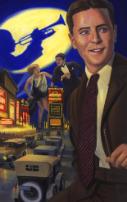 |
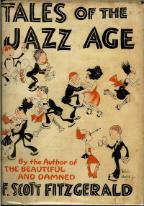
Should a country suddenly become victorious in a major war, the feeling will be very celebrative and proud. The time after World War I became known as ‘‘The Jazz Age’’. The term is penned by F. Scott Fitzgerald himself in his book Tales of the Jazz Age. On the surface, it was a time of seemingly endless happiness when the only concern of most Americans, at home and abroad, was where to get the next drink. By evaluating the literary works of F. Scott Fitzgerald, Thomas Wolfe, and Edith Wharton, the representative writers of the time, we can get a comprehensible idea of life in America during the Jazz Age when it pertaining to relationships, careers, and the immoral corruption of people.
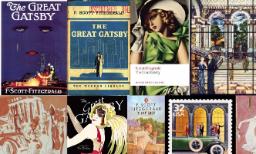
| 1. F. Scott Fitzgerald Fitzgerald is largely credited with coining the term, which he used in such books as Tales of the Jazz Age. His most well-known novel, The Great Gatsby explores new social and sexual attitudes and the growing individualism of this new America. It exposes some of the corruption and selfishness that can be a consequence of it. However, it also explores the growing materialism and lavish parties for which the era was known. |
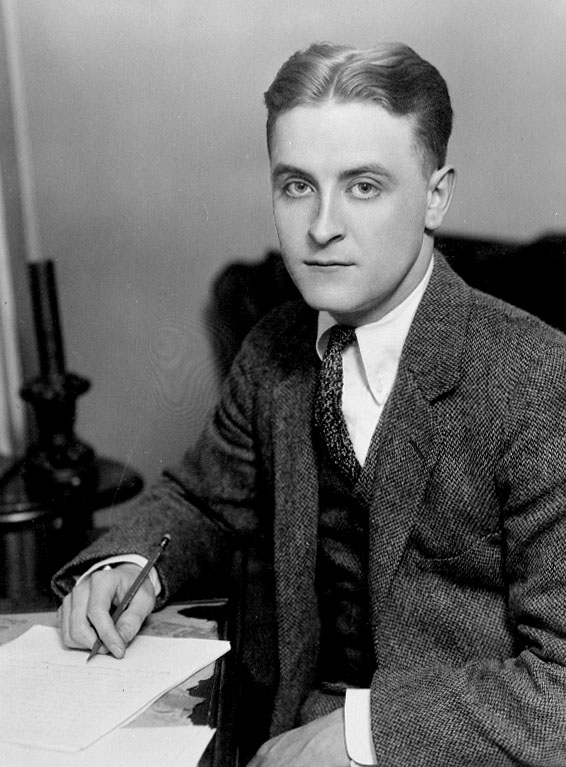
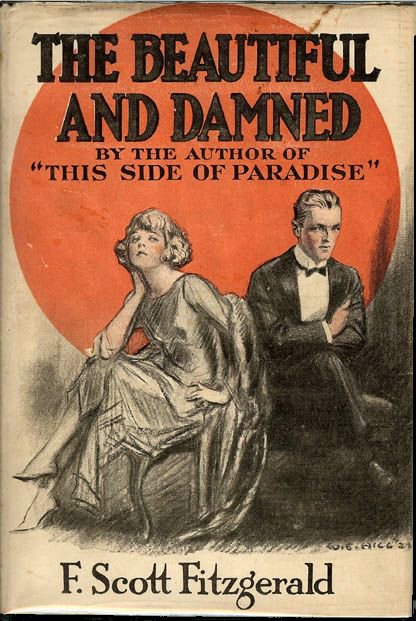
Fitzgerald’s other works, such as The Beautiful and Damned or Tender Is the Night, further describe and explore the social behaviors and environment of this age. It also describes the decadence and sexual freedom of the post-World War I generation. The Beautiful and Damned, deals with the era and its effect on a young married couple. Tender Is the Night, takes place in the same decade but is set in France and Switzerland not New York. |
|
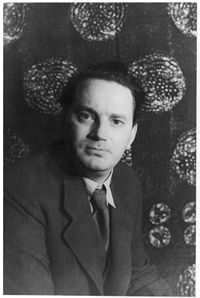 | 2. Thomas Wolfe Thomas Wolfe’s titanic 1935 book Of Time and the River, explores the life of a young man who ended up on the Titanic, taking its protagonist from the depths of the Carolinas, to Harvard, and finally to New York in the 1920s. But for a truly harrowing view of the end of the Jazz Age, Wolfe’s You Can’t Go Home Again is recommended for its party scene on the night of the 1929 stock market crash. It became famous for its depiction of a party that occurred on the crash of the market. |
3. Edith Wharton By the end of the First World War, Wharton found herself disturbed by what she saw as the profound social disruptions that had been brought on by the war. In the months after the armistice, she again picked up her pen to write what many critics consider to be her war novel, The Age of Innocence. Her late novel Twilight Sleep, set in New York and written in 1927, offers subtle critiques of the age and its growing emphasis on wealth and materials and is a great example of social critiques of Jazz Age values and lifestyles. | 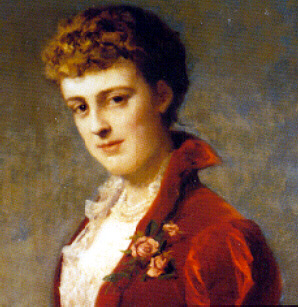 |
References
